KEY TAKEAWAYS
- Lead with operational outcomes, then explain the product.
- Create proof for each stakeholder in the buying group.
- Qualify demos by use case and fit, not form volume.
A feature is not yet a buying reason
Dispatch, sales, maintenance, finance and leadership may evaluate the same platform differently. Replace a single feature list with use-case journeys that explain the workflow, operational problem, outcome and evidence relevant to each role.
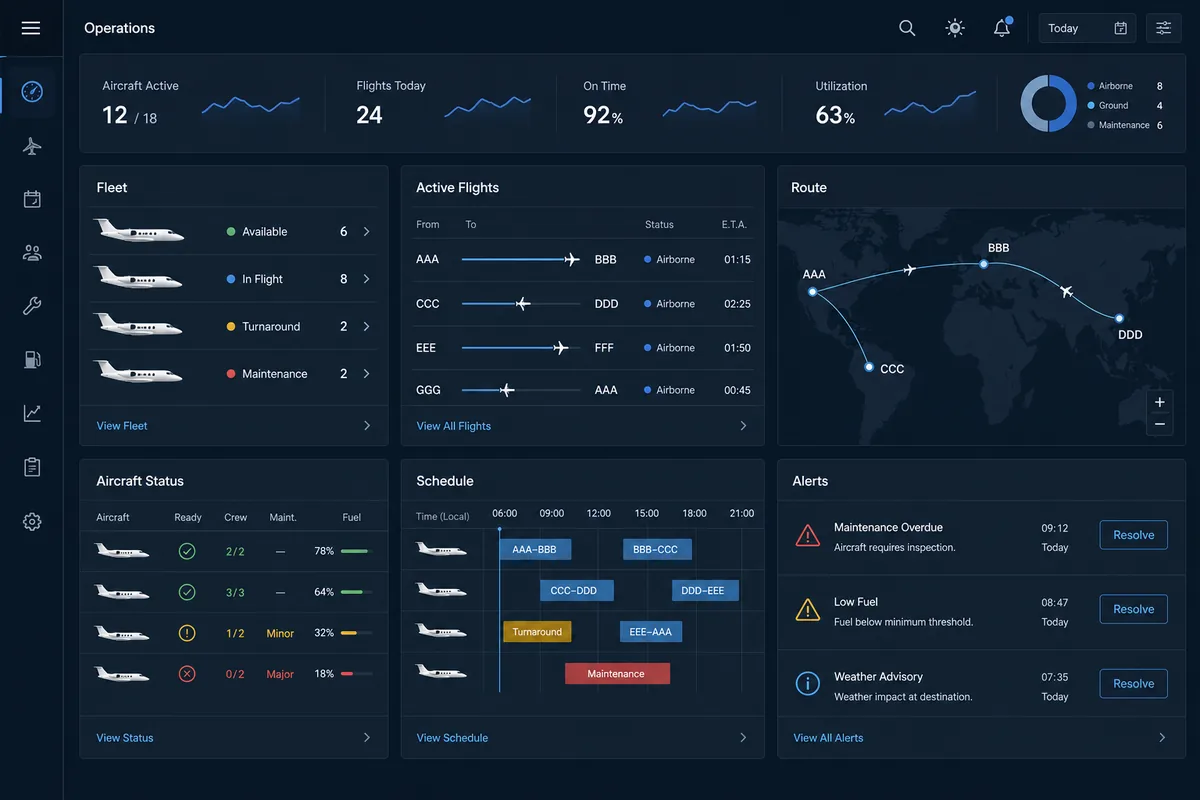
The product interface should appear in the marketing. Real screens, annotated workflows and realistic demonstrations make a complex platform easier to understand than abstract technology imagery.
Category clarity comes before acquisition
State who the product is for, where it fits in the technology stack and what changes after adoption. If the market is still learning the category, educational content must define the problem without turning every article into a product pitch.
Integration, security, implementation and data questions belong close to the evaluation journey because they often determine whether a demo progresses.
Design demos around fit
A demo request should capture company type, operational scale and primary use case without becoming a barrier. Route requests to the right product specialist and tailor the session to the buyer’s workflow. Automated scheduling is useful only if qualification and ownership remain clear.
Measure learning through the funnel
Review which use cases create qualified demos, which content appears in successful opportunities and where evaluation stalls. Feed sales objections back into pages, product education and campaigns. This makes marketing a source of product-market insight rather than a lead counter.
PRACTICAL CHECKLIST
What to do next
- 01Define role-specific use cases
- 02Show authentic product interfaces
- 03Explain integrations and implementation
- 04Qualify demo requests efficiently
- 05Connect content to opportunity progression
COMMON QUESTIONS
Should pricing appear on an aviation software website?
If packaging is standardized, transparent pricing can improve qualification. Complex enterprise products may be better served by explaining pricing drivers and the evaluation process.
How much product detail is too much?
Include enough to establish fit and credibility, then organize deeper technical material for evaluators who need it.
This AGP article is original analysis for business aviation marketers and commercial leaders. Adapt it to the operating, regulatory and market context of your organization.